When the seasons change, storing clothes properly can make your home feel more organized and help your wardrobe last longer. The right storage method protects clothing from dust, moisture, odors, pests, and unnecessary wrinkles. It also makes it easier to find what you need when the weather changes again.
You do not need an expensive storage system to get started. With a little planning, clean containers, and a consistent routine, you can store seasonal clothes efficiently in a closet, under the bed, on a shelf, or in another dry area of your home.
Start by Sorting Your Clothes
Before packing anything away, review the clothes you no longer expect to wear during the current season. Sorting first prevents you from storing items you no longer need and reduces clutter.
Create separate groups for:
– Clothes to store
– Clothes to keep available
– Items to donate or give away
– Damaged items to repair or recycle
– Special-care garments that need different storage
Be realistic when deciding what to keep. If you did not wear something during the past season, consider whether it is worth taking up storage space. Set aside clothes that no longer fit, feel uncomfortable, or no longer suit your style.
Sorting is also a good opportunity to create a simple inventory. Make a note of what you are storing, especially if you use several containers. This can save time when you need a specific sweater, coat, or pair of shoes later.
Clean Everything Before Storage
Always clean seasonal clothes before storing them, even if they appear fresh. Small amounts of body oil, food, sweat, or dirt can create odors and attract insects over time.
Follow the care label for each item. Wash or dry-clean clothes as recommended, and make sure everything is completely dry before packing. Slightly damp clothing can develop mildew inside a closed container.
Pay special attention to:
– Coats and jackets
– Sweaters
– Scarves and hats
– Gloves
– Formal clothing
– Shoes and boots
– Children’s clothing
Empty all pockets before storage. Tissues, receipts, pens, and food wrappers can damage clothing or create stains. If an item needs a repair, handle it before storing it so it is ready to wear next season.
Allow Clothes to Air Out
After washing, give garments enough time to air out before placing them in a container. Even clean clothes can hold moisture from washing or drying. A few hours in a well-ventilated room can help prevent stale smells.
Avoid packing clothes immediately after using a steamy dryer unless they are fully dry and cool. Fabric that is warm or slightly damp may trap moisture in storage.
Choose the Right Storage Containers
The best container depends on the type of clothing, the available space, and how long the items will be stored. Durable containers with secure lids are often more reliable than cardboard boxes, which can absorb moisture and provide less protection.
Useful storage options include:
– Plastic bins with fitted lids
– Fabric storage boxes
– Under-bed containers
– Hanging garment bags
– Vacuum storage bags
– Drawer organizers
– Suitcases that are not in regular use
Use clear containers when possible so you can see the contents without opening every box. If you prefer opaque containers, add a large label to the front or top.
Avoid overfilling containers. Clothes need enough space to remain in good condition, and tightly packed fabric is more likely to wrinkle. Overfilled boxes can also become difficult to lift and may damage delicate items.
Use Vacuum Bags Carefully
Vacuum storage bags can save space, especially for bulky coats, blankets, and puffy clothing. However, they are not ideal for every fabric. Long-term compression may flatten padded items or create deep wrinkles.
Avoid using vacuum bags for delicate clothing, structured garments, leather, suede, or items that need to keep their shape. If you use them, follow the manufacturer’s instructions and avoid storing the bags in areas exposed to heat or sharp objects.
Fold and Hang Items Correctly
Different garments need different storage methods. Folding is usually best for knitwear, casual clothing, and soft fabrics. Hanging is better for structured garments that wrinkle easily.
Fold these items:
– Sweaters and knit tops
– T-shirts
– Jeans
– Sweatshirts
– Leggings
– Casual trousers
Fold sweaters instead of hanging them. Hangers can stretch the shoulders and leave unwanted marks in the fabric. Place heavier garments at the bottom of a container and lighter items on top.
Hang these items when appropriate:
– Blazers
– Suits
– Dresses
– Structured jackets
– Skirts
– Wrinkle-prone trousers
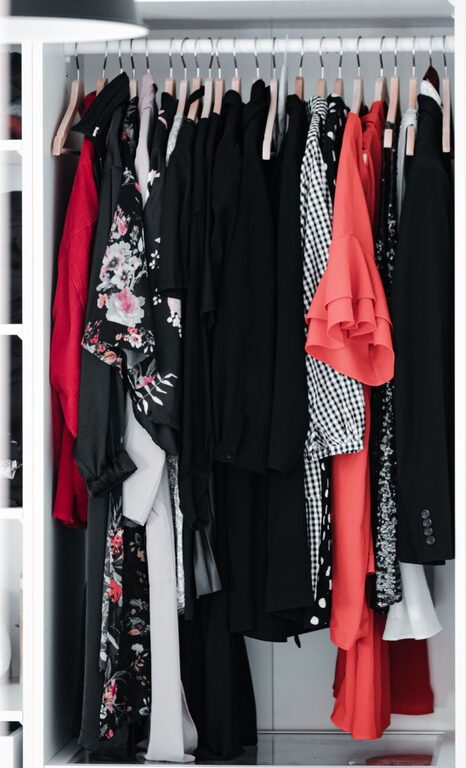
Use sturdy, shaped hangers for heavier clothing. Leave a little space between hanging garments so air can circulate and fabric does not become compressed. Cover special items with breathable garment bags rather than plastic dry-cleaning covers, which can trap moisture and cause odors.
Protect Shoes and Accessories
Shoes should be cleaned and dried before storage. Remove dirt from soles and wipe the outer surfaces according to the material. Allow shoes to air out fully before placing them in a box or container.
To help shoes keep their shape:
– Use shoe trees when suitable
– Stuff boots with rolled paper or boot supports
– Store shoes in pairs
– Keep heavier shoes from pressing on softer ones
– Use labeled boxes or clear containers
Avoid using newspaper inside light-colored shoes because the ink may transfer. Plain, acid-free tissue paper is a better option.
Small accessories can easily become lost during seasonal storage. Keep gloves, scarves, hats, belts, and swimwear together in smaller pouches or organizers. Grouping similar items makes unpacking faster and helps prevent single pieces from disappearing.
Select a Suitable Storage Location
Store seasonal clothes in a cool, dry, and clean area. A bedroom closet, interior shelf, or space under the bed may work well. Avoid damp basements, hot attics, garages, and areas near pipes unless they are properly protected from temperature and moisture changes.
Keep containers off the floor when possible. Shelving or raised platforms can provide extra protection from spills, dust, and minor leaks. Do not place clothing containers directly against a damp wall.
Try to keep storage areas away from strong odors. Clothing can absorb smells from paint, cleaning products, food, and fuel. A stable environment with moderate airflow is generally better than a cramped, poorly ventilated corner.
Label and Organize Every Container
A simple labeling system makes seasonal changes much easier. Write the general contents on each container, such as “winter sweaters,” “summer clothing,” or “children’s jackets.”
For even better organization, include:
– The season
– The clothing type
– The size, if storing children’s clothes
– The number of items
– The storage date
Place frequently needed items near the front or top of your storage area. Less-used items can go farther back. Keep a basic inventory on your phone or in a notebook if you store many containers.
Review Stored Clothes Regularly
Seasonal storage should not be a “pack it and forget it” process. When you bring clothes out for the next season, inspect them before wearing them. Look for odors, moisture, stains, loose buttons, or signs of damage.
Wash or air out garments as needed. This is also the perfect time to remove items that no longer fit your lifestyle. Donate or recycle clothing that you no longer use, and repair pieces you still enjoy wearing.
A regular review keeps your wardrobe manageable and prevents storage containers from becoming crowded. It also turns seasonal changes into a simple maintenance habit rather than a major household project.
Create a Simple Seasonal Routine
Efficient clothing storage comes down to a few consistent steps: sort, clean, dry, pack, label, and store. Choose a regular time at the end of each season to complete these tasks. Working in small groups, such as coats one day and shoes the next, can make the process less tiring.
With suitable containers and a clear system, seasonal clothing can stay fresh, protected, and easy to locate. Good storage saves space, reduces clutter, and helps your favorite garments remain useful for many seasons to come.