
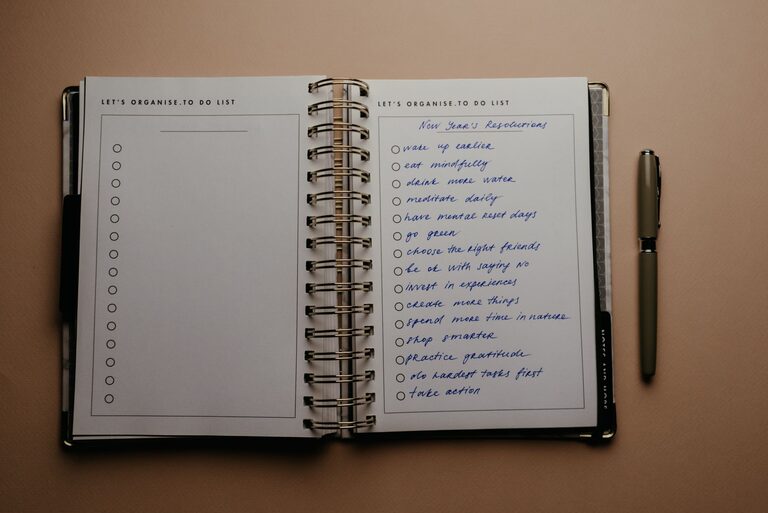
Building a habit is less about making a dramatic change and more about repeating a small action over time. Whether you want to read more, exercise regularly, spend less time on your phone, or keep your home organized, habit tracking can help you turn good intentions into steady progress.
A habit tracker gives you a clear way to see what you have done. It can also help you notice patterns, adjust your approach, and stay encouraged when progress feels slow. The best system is not the most detailed one. It is the one you can use consistently.
Why Habit Tracking Works
Habit tracking makes an invisible process easier to see. When a habit exists only in your mind, it can be difficult to remember how often you practiced it or whether your routine is improving. A tracker provides a simple record.
Tracking can help you:
– Create awareness of your daily choices
– Remember the habits you want to practice
– See progress over time
– Identify obstacles and common patterns
– Build a sense of accomplishment
– Make small improvements more noticeable
A tracker is not meant to judge you. It is a tool for learning. If you miss a day, the record can help you understand why instead of treating the missed day as failure.
Choose One or Two Habits First
One of the most common mistakes is trying to change too many habits at once. A long list may look motivating at first, but it can quickly become difficult to manage.
Start with one or two habits that matter to you. Choose actions that are specific and easy to recognize. For example:
– Read ten pages before bed
– Walk for fifteen minutes after lunch
– Write down three priorities each morning
– Drink a glass of water after waking up
– Spend five minutes tidying one room
Avoid vague goals such as “be healthier” or “be more productive.” These are useful as long-term ideas, but they are not clear enough to track each day. Turn them into a specific action that you can complete and record.
Start Smaller Than You Think
A habit should be easy enough to begin, especially on busy days. If your goal is to exercise, you might start with five minutes of movement instead of an hour at the gym. If you want to write, begin with one paragraph.
Starting small does not mean your goal is unimportant. It creates a reliable foundation. Once the habit becomes familiar, you can increase the time or difficulty.
Pick a Tracking Method You Will Use
There are many ways to track habits. The right choice depends on what feels simple and convenient.
Paper Calendar
A paper calendar is straightforward. Each time you complete a habit, mark the date with a checkmark, dot, or sticker. Seeing a row of completed days can provide a useful visual reminder.
This method works well if you enjoy writing by hand and keep your calendar in a visible place.
Notebook or Journal
A notebook allows you to track more than completion. You can record how the habit felt, what made it easier, and what interrupted your plans.
A simple journal entry might include:
– The date
– The habit
– Whether you completed it
– A short note about what helped or got in the way
Mobile App
A habit tracking app can send reminders, display streaks, and organize several habits in one place. Apps can be convenient if you already use your phone to manage your schedule.
However, avoid choosing an app with so many features that tracking becomes a task of its own. A basic checklist may be all you need.
Routine Checklist
A daily checklist is useful when your habit is part of a morning or evening routine. You can list a few actions in order and check them off as you go.
For example, an evening checklist might include:
- Put away personal items
- Prepare clothes for the next day
- Read for ten minutes
- Write down one task for tomorrow
Connect Habits to Existing Routines
A new habit is easier to remember when it follows something you already do. This approach is sometimes called habit linking, but the idea is simple: attach a new action to a familiar routine.
Examples include:
– After brushing your teeth, stretch for two minutes
– After making coffee, review your daily priorities
– After lunch, take a short walk
– Before turning on the television, tidy one small area
The existing routine acts as a reminder. Over time, the new habit can become part of the same sequence.
Choose a connection that happens regularly. If the existing routine changes often, it may not provide a reliable reminder.
Make the Habit Easy to Start
Small changes to your environment can remove unnecessary effort. The easier it is to begin, the more likely you are to follow through.
Try these adjustments:
– Keep a book beside your bed
– Place walking shoes near the door
– Prepare ingredients before cooking
– Put your journal next to your computer
– Keep distracting items out of immediate reach
– Set up your workspace before ending the day
You can also prepare for obstacles in advance. If you know mornings are rushed, choose a habit that takes only a few minutes or move it to a quieter time.
Use Reminders Carefully
Reminders can help, especially when a habit is new. Set an alarm, place a note in a visible location, or use a calendar notification.
The reminder should tell you what to do and when to do it. “Read for ten minutes at 9 p.m.” is more useful than “Work on habits.”
Once the habit becomes familiar, you may need fewer reminders. If you receive too many notifications, they can become easy to ignore. Use only the reminders that genuinely support your routine.
Focus on Consistency, Not Perfection
Many people stop tracking after missing one day. A better approach is to expect interruptions and plan how to respond.
A missed day can happen because of travel, a busy schedule, low energy, or an unexpected event. It does not erase the progress you made before it. The goal is to return to the habit as soon as practical.
You might use the following rule:
> Never let one missed day become a long pause.
This does not mean you must force yourself to complete the full habit after an interruption. Restart with the smallest version. Five minutes of reading or a short walk can help restore your routine.
Review Your Tracker Each Week
A weekly review turns tracking into a learning process. Set aside a few minutes to look at your record and ask:
– How often did I complete the habit?
– What time of day worked best?
– What situations made it difficult?
– Was the habit too large or unclear?
– What small change could make next week easier?
Use the answers to adjust your plan. If a morning habit is repeatedly missed, try moving it to the afternoon. If the habit takes too long, reduce its starting version. If you forget it, add a better reminder.
Your tracker should help you improve the system, not simply measure your willpower.
Reward Progress in a Useful Way
A completed habit can be rewarding on its own, but a small additional reward may help reinforce the routine. The reward should support your goals rather than compete with them.
For example, after completing a week of writing, you might spend time on a favorite hobby, listen to a special playlist, or enjoy a relaxing activity. You can also reward yourself by recognizing the progress directly: write a short note about what you accomplished and why it matters.
Avoid making the reward so complicated that it requires more effort than the habit.
Keep the System Simple
The most effective habit tracker is one that you will continue using. You do not need detailed charts, perfect streaks, or a complicated schedule.
Choose a clear habit, track it in a convenient place, review your progress, and make adjustments when needed. Consistency grows through repeated actions and flexible planning. By starting small and returning after setbacks, you can create routines that fit your real life and support your long-term goals.